

If you’ve spent the day hunched over a laptop, stuck in KL traffic gripping the wheel, or scrolling on your phone during the LRT ride home, chances are your neck and shoulders are the first to complain. That tight, achy feeling creeping up from your shoulder blades to the base of your skull is one of the most common complaints we hear from Malaysians — whether you’re in an office in Bangsar, a warehouse in Shah Alam, or working from your kitchen table.
The good news? You don’t always need a massage appointment or a trip to the clinic to feel better. Sometimes, relief really can start at home — with the right pack, used the right way.
A few everyday habits are usually behind that stiffness:
None of these are dramatic injuries, but stacked up day after day, they add up to chronic tightness that a quick stretch alone doesn’t always fix.
This is the question we get asked most, and the honest answer is: it depends on what’s causing the pain.
Cold therapy is best in the first 24–48 hours after a strain, a sudden twinge, or any swelling. The cold narrows blood vessels, which helps calm inflammation and numbs the sharp edge of the pain.
Heat therapy works well for the everyday tightness most of us deal with — the dull, tense ache from sitting too long or carrying stress in your shoulders. Heat increases blood flow to the area, which relaxes tight muscles and can genuinely make it easier to move your neck again.
A relief pack that can switch between both gives you flexibility, since most people don’t know in advance which one they’ll need on a given day — which is exactly why we designed the Flexi-Aid Cold Hot Pack to do both.
Our Flexi-Aid Cold Hot Pack is a reusable gel pack built for exactly this kind of everyday relief — freeze it for a cooling compress, or warm it in the microwave for soothing heat, and use the same pack either way.
Recommended by physicians worldwide, it’s the kind of pack you can keep on your desk, in your car, or in the freezer at home, ready whenever tightness sets in.
Not all packs are built the same, and in Malaysia’s climate, a few practical details make a real difference:
If you’re reaching for a relief pack, here’s how to get the most out of it:
A relief pack is great for everyday tension, but it’s not a substitute for medical care. If you’re experiencing numbness or tingling down your arm, pain that doesn’t ease after a few days of home care, a recent injury, or headaches that come with the neck pain, it’s worth getting checked by a doctor or physiotherapist rather than relying on home remedies alone.
Neck and shoulder pain is practically a way of life for anyone juggling desk work, traffic, and daily stress in Malaysia — but it doesn’t have to be something you just live with. The Flexi-Aid Cold Hot Pack gives you a simple, reusable way to switch between heat and cold relief at home, so your shoulders don’t have to wait for a spa appointment to finally relax.

If you’ve spent the day hunched over a laptop, stuck in KL traffic gripping the wheel, or scrolling on your phone during the LRT ride
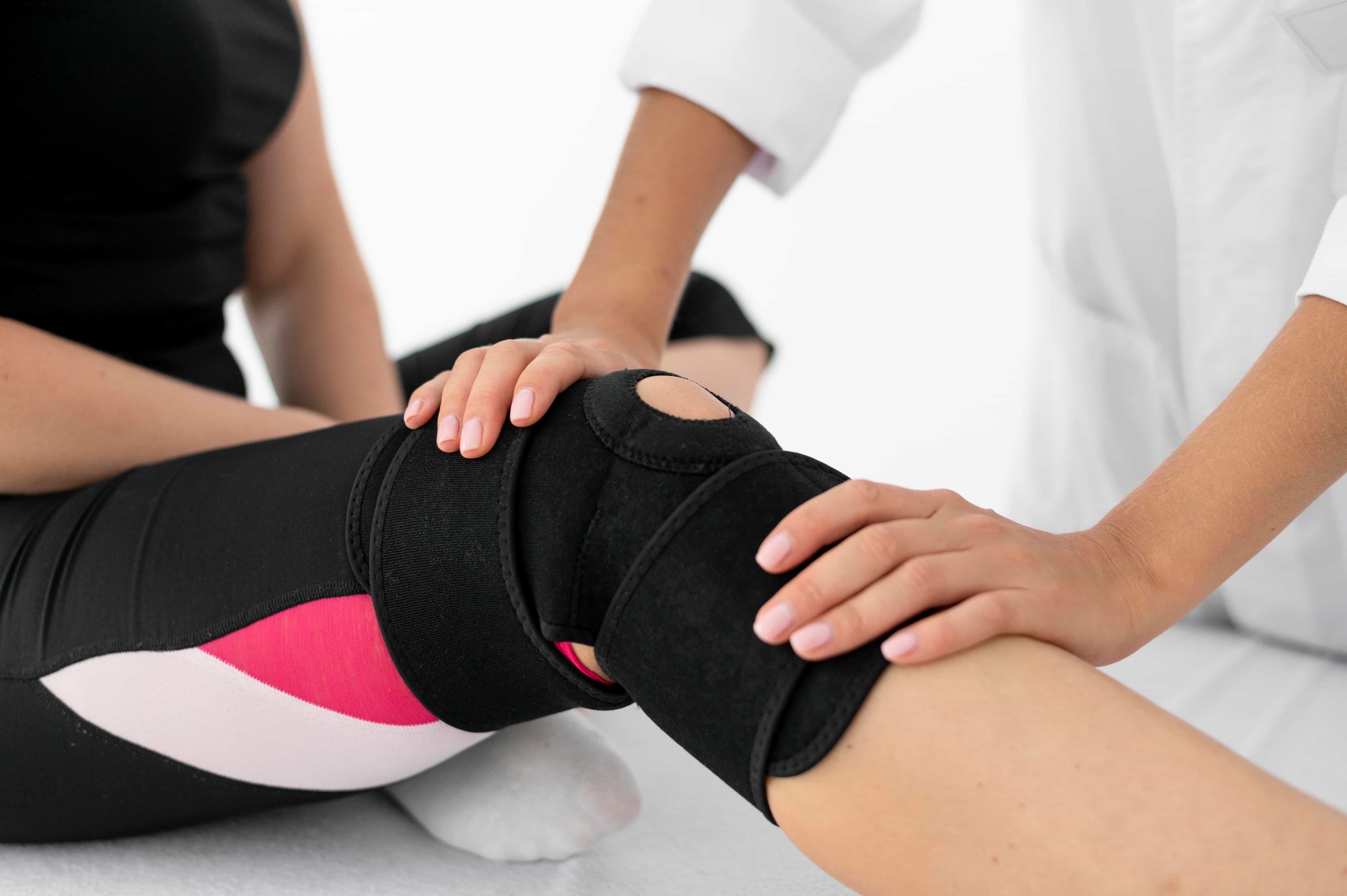
Whether you’re hitting the gym, going for morning runs, playing badminton on weekends, or just staying active through daily walks — recovery is just as
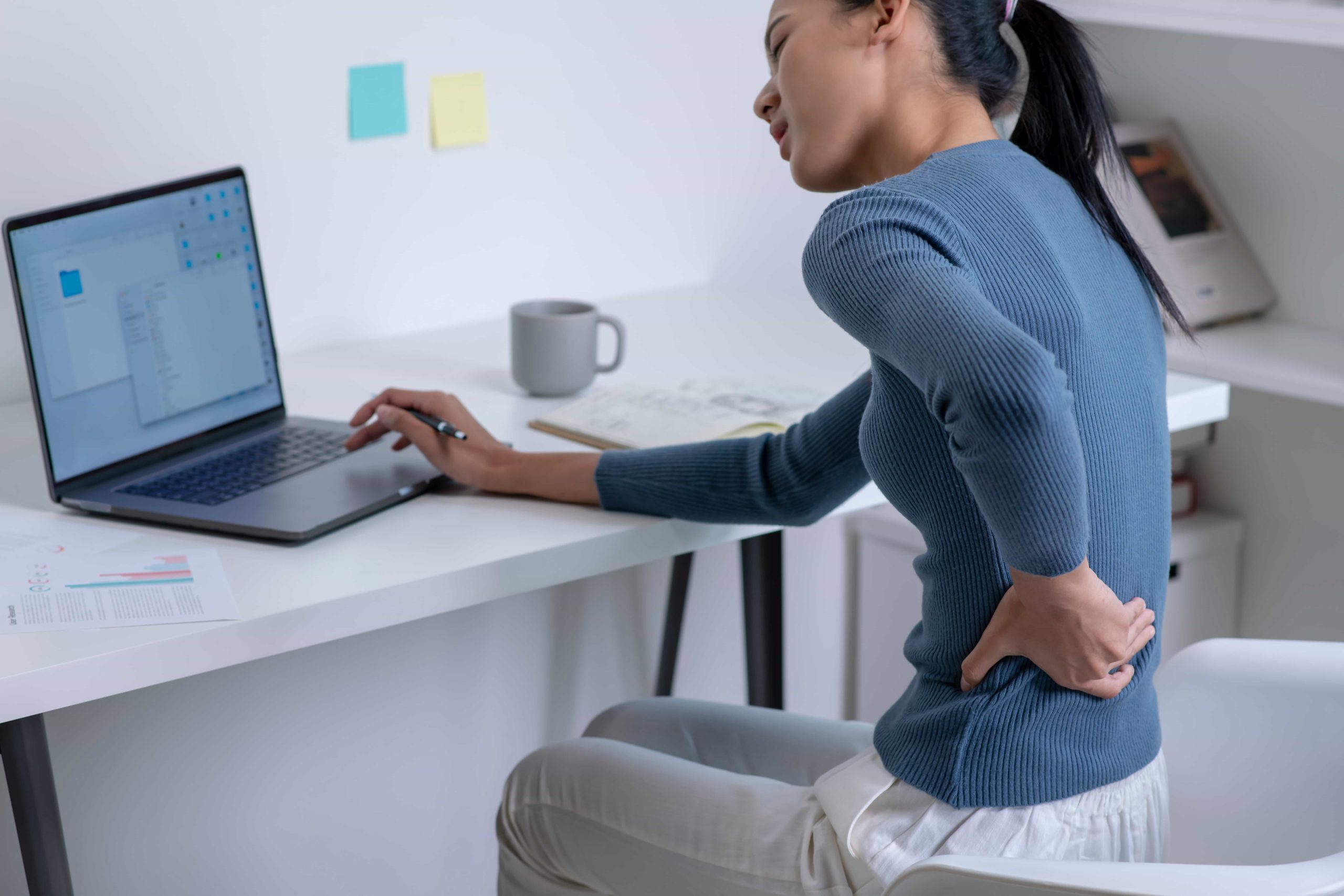
If you spend most of your day sitting at a desk — whether at the office or working from home — there’s a good chance